

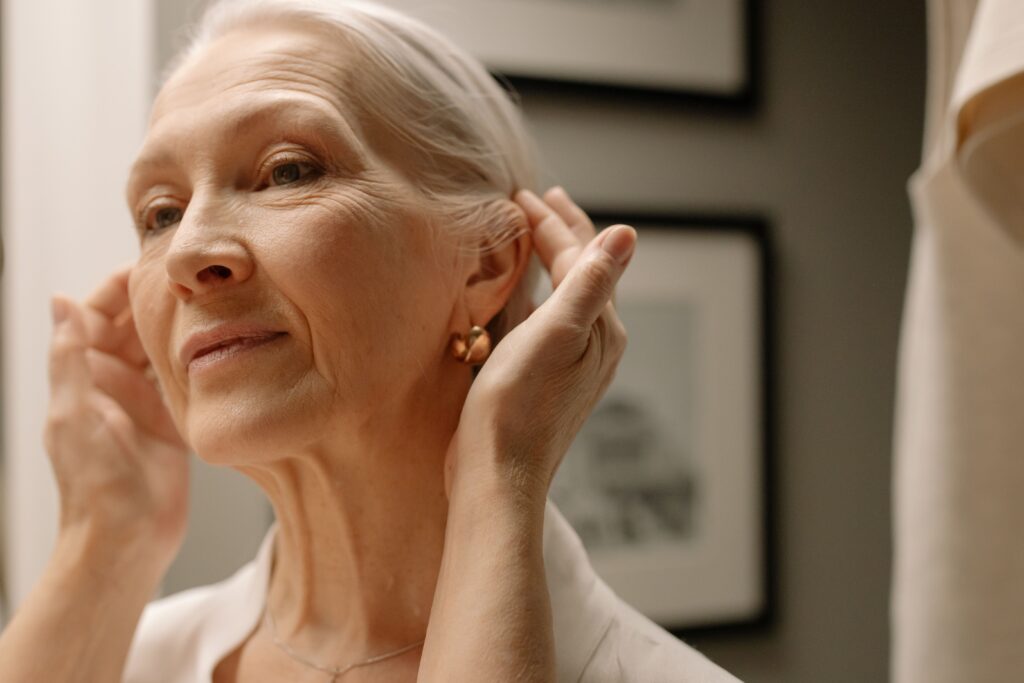
Have you ever noticed a ringing, buzzing, humming, hissing, or whistling sound in your ears even when there is no sound around you? This is known as tinnitus.
Tinnitus is a common hearing-related symptom that can affect one or both ears or may seem like it is coming from inside your head. For some people, tinnitus is temporary and becomes less noticeable over time. For others, it can persist and interfere with sleep, concentration, communication, and everyday activities.
Although tinnitus is often associated with hearing loss, there are many possible causes of tinnitus. Understanding the symptoms, potential causes, and available management options can help you take the right steps toward better hearing health.
What Is Tinnitus?
Tinnitus is the perception of a sound when there is no corresponding external sound source. In other words, you hear a sound that other people cannot hear.
The most common description is ringing in the ears, but tinnitus can sound very different from person to person. Some people may hear:
- Ringing
- Buzzing
- Hissing
- Humming
- Whistling
- Clicking
- Roaring
- Squealing
Tinnitus can be soft or loud, high-pitched or low-pitched. It may occur occasionally or be present continuously.
Some people experience tinnitus in one ear, while others experience it in both ears. The sound may also change in volume or character throughout the day.
According to the NIDCD, an estimated 10% to 25% of adults experience tinnitus. When tinnitus lasts for three months or longer, it is generally considered chronic tinnitus.
What Does Tinnitus Sound Like?
There is no single way that tinnitus sounds.
One person may describe tinnitus as a high-pitched ringing, while another may hear a low humming or buzzing sound. Some people compare it to the sound of static, an electrical tone, or a distant whistle.
The sound may become more noticeable when the environment is quiet, particularly at night when there are fewer outside sounds competing with the tinnitus.
Tinnitus can also change depending on your surroundings, stress levels, sleep, or other factors. In some cases, moving the head, neck, or eyes or touching certain parts of the body may temporarily change the sound. This can occur with a type of tinnitus known as somatosensory tinnitus.
What Causes Tinnitus?
There is no single cause of tinnitus. It can be associated with changes anywhere along the hearing system, including the ear, auditory nerve, and areas of the brain involved in processing sound.
Some of the most common tinnitus causes include hearing loss, loud noise exposure, earwax buildup, certain medications, ear infections, and injuries involving the head or neck.
Hearing Loss and Tinnitus
One of the strongest associations with tinnitus is hearing loss.
Age-related hearing loss and noise-induced hearing loss can both be associated with tinnitus. Damage to sensitive structures in the inner ear can affect the signals sent to the brain, and changes in the auditory system may contribute to the perception of phantom sounds.
However, having tinnitus does not necessarily mean that you have noticeable hearing loss. Some people experience tinnitus even when they believe their hearing is normal.
This is why a hearing test for tinnitus can be an important part of understanding what may be happening with your hearing.
Loud Noise Exposure
Repeated exposure to loud sounds is another common cause of tinnitus.
Concerts, sporting events, construction equipment, power tools, loud workplaces, firearms, and listening to headphones at excessive volume can expose the ears to potentially harmful noise.
Noise-induced hearing damage can happen gradually or after an extremely loud sound. Tinnitus may occur temporarily after loud noise exposure, but repeated or significant exposure can contribute to longer-lasting tinnitus and hearing loss.
A simple way to protect your hearing is to avoid sounds that are too loud, too close, or last too long.
Earwax Buildup
A buildup of earwax can block the ear canal and sometimes contribute to tinnitus or changes in hearing.
If tinnitus begins along with a feeling of blocked ears or muffled hearing, an ear examination can help determine whether earwax or another ear-related problem could be contributing to the symptoms.
Ear Infections
Ear infections and fluid in the ear can sometimes contribute to tinnitus. In these situations, addressing the underlying ear problem may help reduce the associated symptoms.
Medications
Certain medications can contribute to tinnitus, particularly at higher doses. Medications associated with tinnitus can include some anti-inflammatory drugs, certain antibiotics, cancer medications, antimalarial medications, and some antidepressants.
If you think a medication may be contributing to your tinnitus, do not stop taking a prescribed medication on your own. Speak with your healthcare provider about your symptoms and possible alternatives.
Head or Neck Injuries
Injuries involving the head or neck can sometimes affect structures involved in hearing or the pathways that carry sound information to the brain. This may result in tinnitus or changes in existing tinnitus symptoms.
Other Health Conditions
Less common causes and contributing factors can include Ménière’s disease, jaw joint problems, blood vessel conditions, thyroid disorders, diabetes, migraines, anemia, and certain neurological or autoimmune conditions.
Sometimes, however, no specific cause can be identified.
Why Do You Hear Ringing in Your Ears?
Tinnitus can seem as though the sound is coming directly from your ear, but the perception of tinnitus involves the auditory system and brain.
One leading explanation is that changes or damage in the inner ear can alter the signals sent through the auditory nerves to the brain. The brain’s auditory areas may then respond to these altered signals in a way that creates the perception of sound even when there is no external sound source.
This is one reason tinnitus can continue even when there is no obvious problem visible inside the ear.
What Are the Symptoms of Tinnitus?
The primary tinnitus symptom is hearing a sound that does not come from an outside source.
Depending on the person, tinnitus may be:
- Present in one ear or both ears
- Constant or intermittent
- High-pitched or low-pitched
- Soft or loud
- More noticeable at night or in quiet environments
Some people with persistent tinnitus also experience difficulty concentrating, trouble sleeping, frustration, anxiety, or increased stress.
Tinnitus itself is usually not considered a disease. Instead, it is generally a symptom associated with changes or conditions affecting the auditory system.
Is Tinnitus a Sign of Hearing Loss?
Tinnitus and hearing loss frequently occur together, but one does not always mean the other is present.
If you have noticed ringing in your ears along with difficulty understanding conversations, frequently asking people to repeat themselves, turning up the television volume, or struggling to hear in noisy environments, it may be worth having your hearing evaluated.
A comprehensive hearing evaluation can help determine whether hearing loss is present and whether it may be related to your tinnitus.
What Is Pulsatile Tinnitus?
Most tinnitus sounds are not rhythmic. However, some people experience a type called pulsatile tinnitus.
Pulsatile tinnitus may sound like a heartbeat, whooshing, or rhythmic pulsing in the ear. It may occur in time with your heartbeat and can sometimes be associated with blood-flow-related conditions involving the head or neck.
Because pulsatile tinnitus can have different underlying causes than typical ringing tinnitus, it should be discussed with a healthcare professional for appropriate evaluation.
How Is Tinnitus Diagnosed?
There is no single test that can diagnose every case of tinnitus. Evaluation generally begins with understanding your symptoms and looking for possible underlying causes.
A hearing professional may ask:
- When did your tinnitus begin?
- Is it in one ear or both?
- Is the sound constant or intermittent?
- What does the sound resemble?
- Does it change with movement?
- Have you experienced loud noise exposure?
- Have you noticed hearing changes?
- Are you taking any medications that could contribute to tinnitus?
- Are you experiencing dizziness, ear pressure, or other symptoms?
A hearing test can help determine whether hearing loss is present.
An examination may also help identify issues such as earwax buildup or other conditions affecting the ear. Depending on the symptoms, a physician or ENT may recommend additional testing or imaging, particularly when tinnitus is pulsatile or associated with other concerning symptoms.
When Should You See an Audiologist for Tinnitus?
You do not necessarily need to worry about every brief episode of ringing in your ears. Temporary tinnitus can occur after exposure to loud sounds and may become less noticeable afterward.
However, it is a good idea to seek professional guidance if tinnitus is persistent, bothersome, or accompanied by changes in hearing.
Consider scheduling a hearing evaluation if:
- Your tinnitus continues or keeps returning.
- You notice hearing loss or muffled hearing.
- Tinnitus is affecting your sleep or concentration.
- The sound is consistently present in one ear.
- Your tinnitus is becoming more noticeable or disruptive.
- You experience dizziness, ear pressure, or other hearing-related symptoms.
If you experience sudden hearing loss, particularly in one ear, with or without tinnitus, seek medical attention promptly. Sudden sensorineural hearing loss is considered a medical emergency, and delaying evaluation can reduce the effectiveness of treatment.
Can Tinnitus Go Away?
Sometimes, tinnitus can improve or disappear, particularly when it is associated with a temporary or treatable factor.
For example, tinnitus related to loud noise exposure may become less noticeable after the ears have had time to recover. Tinnitus associated with earwax blockage or certain ear conditions may also improve when the underlying issue is addressed.
However, some people experience chronic tinnitus that lasts for months or longer.
When tinnitus persists, the goal is often to reduce its impact and help the person manage the sound rather than promise that it will completely disappear.
Is There a Cure for Tinnitus?
Currently, there is no single cure that eliminates tinnitus for everyone.
However, several approaches can help people manage tinnitus and reduce how disruptive it is. The appropriate approach depends on the individual’s hearing, symptoms, possible causes, and overall health.
This is why professional evaluation is important before choosing a tinnitus treatment.
How Is Tinnitus Treated?
Tinnitus treatment focuses on identifying possible causes and reducing the impact of symptoms.
Treating the Underlying Cause
If tinnitus is associated with a treatable issue such as earwax buildup or an ear condition, addressing that issue may reduce or eliminate the tinnitus.
When a medication may be contributing to tinnitus, a healthcare provider can determine whether a medication adjustment is appropriate.
Hearing Aids for Tinnitus
For people who have both hearing loss and tinnitus, hearing aids may help manage tinnitus.
Hearing aids amplify environmental sounds, which can make communication easier and may make tinnitus less noticeable. Some hearing devices also offer sound-generation features that can be incorporated into a tinnitus management plan.
A hearing professional can determine whether hearing aids are appropriate based on your hearing test results and individual needs.
Sound Therapy
Tinnitus sound therapy uses external sounds to make tinnitus less noticeable or easier to tolerate.
This may include gentle background sounds such as:
- White noise
- Nature sounds
- Rain or water sounds
- Fans
- Music
- Specialized sound-generation devices
Sound therapy may be particularly helpful during quiet periods or at bedtime when tinnitus becomes more noticeable.
Counseling and Behavioral Therapy
Tinnitus can become more distressing when a person becomes anxious or constantly focuses on the sound.
Counseling and behavioral approaches can help people change their response to tinnitus and develop strategies for coping with the condition. Cognitive behavioral therapy, for example, has been studied as a way to reduce the distress associated with tinnitus.
Tinnitus Retraining Therapy
Tinnitus retraining therapy combines counseling with sound therapy. The goal is to help the brain become less focused on and reactive to the tinnitus sound.
This approach does not necessarily make the tinnitus physically disappear. Instead, it aims to make the sound less noticeable and less disruptive to everyday life.
Can Stress Make Tinnitus Worse?
Stress does not necessarily cause every case of tinnitus, but it can make tinnitus feel more noticeable or difficult to tolerate.
When you are stressed, tired, or focused on the sound, you may become more aware of tinnitus. This can create a cycle in which tinnitus affects sleep and stress, while stress and poor sleep make tinnitus feel more prominent.
Relaxation, healthy sleep habits, appropriate background sound, and professional tinnitus management may help reduce its impact.
Does Tinnitus Affect Sleep?
Yes. Tinnitus can be particularly noticeable at night because the surrounding environment is quieter.
When there are fewer external sounds, the ringing or buzzing may seem louder. This can make it harder to relax or fall asleep.
Some people find that gentle background sound, such as a fan, quiet music, or a sound generator, makes tinnitus less noticeable at bedtime.
If tinnitus is regularly interfering with your sleep, discussing your symptoms with a hearing professional can help you explore appropriate management strategies.
How Can You Protect Your Hearing From Tinnitus?
Because loud noise exposure can contribute to both tinnitus and noise-induced hearing loss, protecting your ears is an important part of hearing health.
Try to:
- Lower the volume when using headphones or earbuds.
- Take breaks from prolonged headphone use.
- Wear appropriate hearing protection around loud machinery.
- Move away from excessively loud sound sources when possible.
- Use hearing protection at concerts, sporting events, and other loud environments.
- Have your hearing checked if you notice changes in hearing or persistent tinnitus.
Noise exposure can damage sensitive structures in the inner ear. Repeated exposure to sounds at or above approximately 85 dBA can increase the risk of noise-induced hearing loss, although the amount of risk depends on loudness and duration of exposure.
Tinnitus and Your Everyday Life
For some people, tinnitus is a minor annoyance. For others, it can have a significant impact on everyday life.
Persistent tinnitus may affect:
Sleep: The sound may become more noticeable at bedtime.
Concentration: Continuous ringing or buzzing can make it harder to focus.
Communication: When tinnitus occurs alongside hearing loss, understanding speech may become more difficult.
Mood: Ongoing tinnitus can contribute to frustration, stress, anxiety, or emotional distress.
If tinnitus is affecting your quality of life, you do not have to simply ignore it. A professional hearing evaluation can help identify possible contributing factors and determine what management options may be appropriate.
Frequently Asked Questions About Tinnitus
Is tinnitus normal?
Tinnitus is common, but persistent tinnitus should not automatically be dismissed as something you simply have to live with. A hearing evaluation can help identify hearing loss or other possible contributing factors.
Can tinnitus cause hearing loss?
Tinnitus itself does not necessarily cause hearing loss. However, tinnitus and hearing loss frequently occur together, particularly when both are related to age or noise exposure.
Can headphones cause tinnitus?
Listening to headphones at very high volumes or for prolonged periods can expose the ears to potentially harmful levels of sound. Loud noise exposure can contribute to both tinnitus and noise-induced hearing loss.
Is tinnitus worse at night?
Tinnitus can seem louder at night because the environment is quieter and there are fewer external sounds competing with the internal sound.
Can hearing aids help tinnitus?
Hearing aids may help people who have tinnitus along with hearing loss by making environmental sounds easier to hear and potentially reducing the contrast between outside sounds and tinnitus.
Should I get a hearing test if I have tinnitus?
Yes, particularly if tinnitus is persistent, occurs with hearing difficulty, or is affecting your daily life. A hearing evaluation can help determine whether hearing loss may be contributing to your symptoms.
When is tinnitus an emergency?
Tinnitus accompanied by sudden hearing loss requires prompt medical attention. Pulsatile tinnitus, particularly when it is new or persistent, should also be evaluated by a healthcare professional to determine the underlying cause.
Take the Next Step for Your Hearing Health
Persistent tinnitus can be frustrating, but understanding what may be causing it is an important first step.
If you are experiencing ringing in your ears, buzzing, humming, or other unexplained sounds, a professional hearing evaluation can help assess your hearing and identify possible factors contributing to your tinnitus.
At Hearing Care OC, a hearing evaluation can be an important starting point for understanding your hearing health and determining whether further evaluation or tinnitus management may be appropriate.
Don’t ignore persistent ringing in your ears. Schedule a hearing evaluation and take the first step toward better understanding your hearing health.
2 Comments